Mastering Cocktail Balance Through pH and Brix

The Science Behind Flavor Harmony

In the world of cocktails, instinct and tradition shape much of what we do. A squeeze of lemon here, a dash of syrup there—seasoned bartenders often “feel” their way into balance. But as with any culinary art, mastery is elevated when it intersects with science. And when it comes to dialing in precision flavor balance, two metrics stand above the rest: pH and Brix.
Let’s dive into how these two variables—often overlooked behind the bar—can unlock the next level of cocktail creation.

🎯 Why pH Matters: The Backbone of Brightness

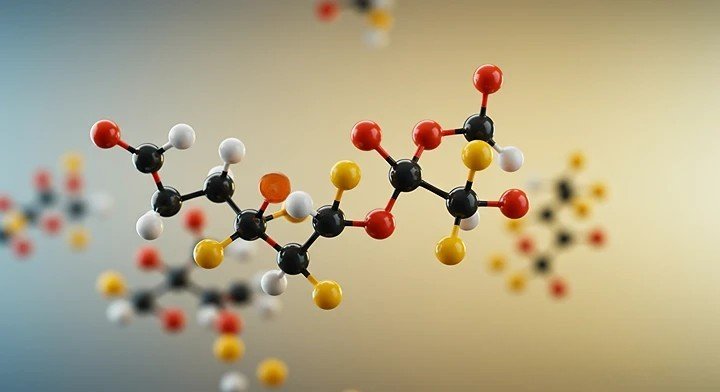
pH, which measures the concentration of hydrogen ions in a solution, directly correlates with perceived acidity in a drink. It’s the silent driver behind the crispness of a Daiquiri, the brightness of a Margarita, or the flatness of an over-diluted sour.

💡 Optimal Cocktail pH Range:

  • Sweet spot: pH 3.2 – 3.8
  • Below 3.0: Acidity becomes aggressive, often masking more delicate flavor notes. Think of an over-soured lemon drop.
  • Above 4.0: The drink starts to feel dull or lifeless, lacking structure—especially in citrus-heavy builds.
  •  

📍 Tools of Precision:

  • Use a digital pH meter (ideally with ±0.01 accuracy) and calibrate regularly using standard buffer solutions (pH 4.01 and 7.00).
  • Always measure post-dilution, as ice melt significantly shifts the acid profile.
Mastering Cocktail Balance

🍭 Understanding Brix: Measuring Perceived Sweetness

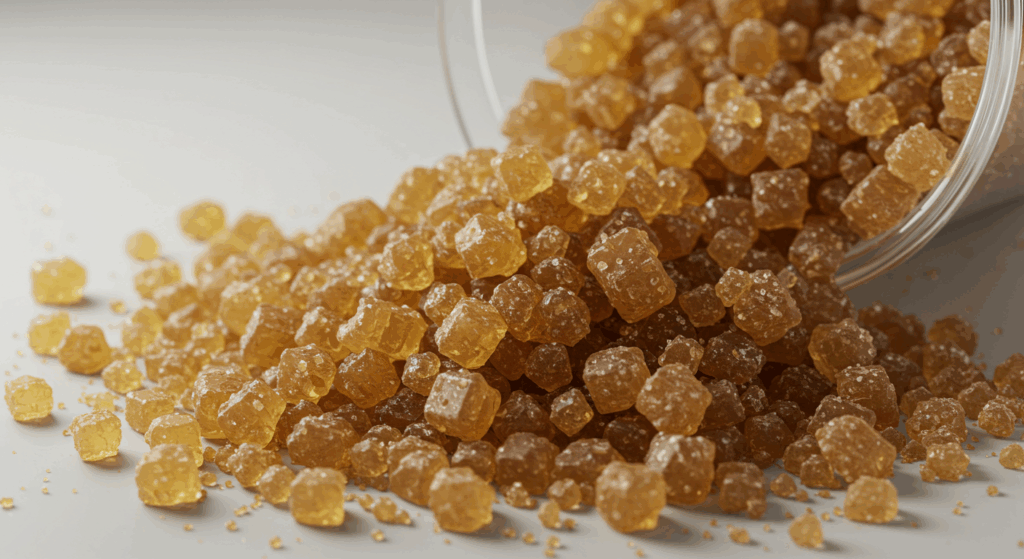
Brix measures the percentage of soluble solids—mostly sugars—in a liquid. It’s widely used in the wine and juice industries, and it has powerful applications in cocktails as well.

💡 Optimal Brix Levels in Cocktails:

  • Final cocktail Brix levels tend to fall between 8–14°Bx, depending on:

    • The spirit base (higher ABV can tolerate more sugar)

    • The acid profile

    • The style of drink (refreshing sour vs rich Old Fashioned variant)

⚠️ Note: Your ingredients have different sugar concentrations.

  • Simple syrup (1:1) ≈ 50°Bx

  • Orange juice ≈ 10–12°Bx

  • Lime juice ≈ 2°Bx with high acidity

Use a digital refractometer to test both your syrup bases and your final cocktail, before and after dilution.

brix

🧪 Fine-Tuning with Acids: The Art of Structure

Beyond citrus, modern bartenders now use isolated acids to shape mouthfeel and balance. Here’s what we use:

  • Lactic Acid (pKa ~3.9): Adds soft, rounded sourness. Often described as “yogurty” or “creamy.” Ideal for milk punch or when working with fat-washed spirits.

  • Tartaric Acid (pKa ~2.95): Found in grapes, provides tight, dry structure. Great for giving backbone to wine-based or citrus-style cocktails.

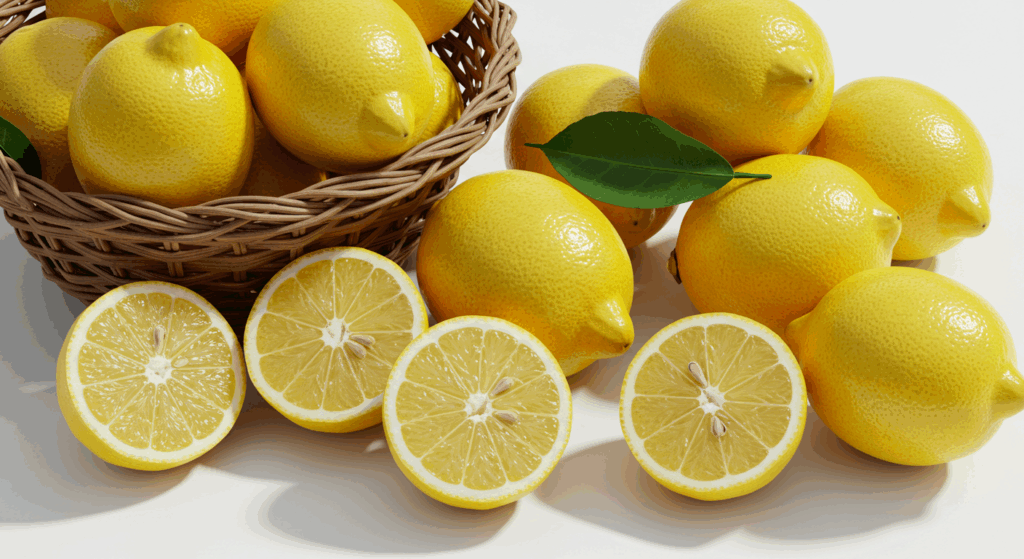
  • Citric Acid (pKa ~3.1): Common in citrus; creates a sharp, familiar acidity. Versatile but easy to overdo.

👨‍🔬 Pro tip: Don’t stack acids blindly. Use bench trials: adjust one variable at a time, always tasting post-dilution.

lemons

🍸 Formulating the Perfect Sour: A Sample Framework

Let’s say you want to develop a tequila-based sour that feels bright, rounded, and refreshing.

  • Target pH: 3.4

  • Target Brix: 12

  • Acid combo: Fresh lime juice (citric + malic), plus 0.2g/100ml of lactic acid for body

  • Sugar source: Agave syrup diluted 1:1, which yields ~35–40°Bx

  • Dilution planning: Ice melt = ~25% of final volume, which alters both pH and Brix (always re-measure!)

Test, taste, adjust.

lemons

🧠 Why This Matters

Balancing cocktails by pH and Brix isn’t about removing art—it’s about empowering it. These measurements offer repeatability, control, and predictive accuracy. You’re not guessing—you’re engineering balance. That’s the difference between good and consistently great.

🔬 Conclusion: Precision is the New Intuition

Instinct built the foundation of bartending. Science sharpens it.
By learning how to measure and manipulate pH and Brix, you take full control of the cocktail experience.
The difference between almost balanced and perfection? Often, it’s just 0.2 on the pH scale.


Loading

Shopping Cart
PHP Code Snippets Powered By : XYZScripts.com
Scroll to Top
0
YOUR CART
  • No products in the cart.